
25th Oct 2024
Seamless System Integration: Connecting Texnite PLCs with SCADA Software
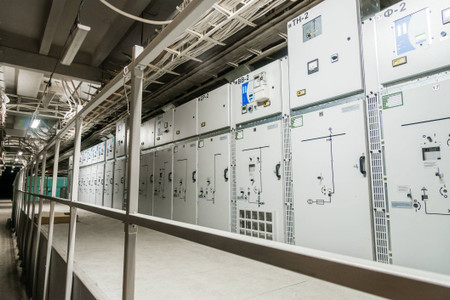
Overview of System Integration in Industrial Automation
Importance of Connecting PLCs with SCADA Software
In the realm of industrial automation, the successful integration of Programmable Logic Controllers (PLCs) with Supervisory Control and Data Acquisition (SCADA) software is paramount. PLCs SCADA integration ensures seamless communication between hardware and monitoring systems, enhancing overall operational efficiency. This connectivity allows operators to monitor, control, and automate industrial processes in real-time, thereby reducing errors and downtime.
Enhancing Operational Efficiency and Real-Time Monitoring
When PLCs and SCADA systems work harmoniously, the potential for operational efficiency leaps to new heights. Real-time monitoring facilitated by SCADA software allows for immediate detection and response to issues, minimizing disruptions and maximizing productivity. Integrating these systems not only streamlines processes but also enables data-driven decision-making, ultimately leading to more informed and strategic operations.
Introduction to Texnite’s Expertise
Brief on Texnite’s Proven Track Record in Industrial Automation
At Texnite, we have honed our expertise in industrial automation through years of dedicated service, innovation, and collaboration with various industries. Our proven track record showcases our ability to deliver robust solutions that meet the unique needs of our clients. By staying at the forefront of technological advancements, we ensure that our clients benefit from the latest and most effective automation strategies.
How Texnite Simplifies Complex PLCs SCADA Integration
We understand that integrating PLCs with SCADA systems can be a daunting task. Our team of specialists is equipped with the knowledge and tools required to simplify this complex process. By adopting a client-centered approach, we tailor our solutions to align with your specific operational requirements, ensuring a smooth transition and optimal performance. With Texnite, you can trust that your systems will be seamlessly connected and fully operational.
Understanding PLCs and SCADA Systems
Basic Definitions and Functions of PLC and SCADA
Programmable Logic Controllers (PLCs) are specialized computers used to control industrial processes. These devices execute specific automation tasks by receiving input data, processing it, and triggering appropriate outputs. On the other hand, Supervisory Control and Data Acquisition (SCADA) systems provide a comprehensive monitoring and control solution. They collect real-time data from field devices, enabling operators to manage and supervise plant operations efficiently.
The harmony between PLCs and SCADA systems is crucial in modern industrial operations. First, PLCs handle low-level control tasks, ensuring a precise execution of processes. Meanwhile, SCADA systems oversee higher-level monitoring and provide a user-friendly interface for operators. The integration of these two technologies results in a seamless and efficient operational environment.
Steps for Seamless Integration of Texnite PLCs with SCADA Software
Planning and Designing the Integration Process
At Texnite, we understand that the foundation of successful PLCs SCADA integration lies in meticulous planning and design. Initially, we assess the existing systems and identify the specific requirements of each project. Next, our expert team creates a detailed integration plan, aligning the project goals with the technical specifications of both PLCs and SCADA software. This preparatory phase ensures that all potential obstacles are addressed upfront, paving the way for a smooth integration process.
Configuration and Connectivity: Best Practices
Our approach to configuring and connecting PLCs with SCADA software focuses on best practices honed through years of experience. During this phase, we configure the communication settings of both PLCs and SCADA systems to ensure compatibility. We establish secure and reliable data links between the controllers and monitoring software, often leveraging protocols such as Modbus, OPC, and Ethernet/IP.
- Ensure proper network segmentation to enhance security and performance.
- Utilize standardized communication protocols for seamless data exchange.
- Implement redundancy measures to prevent downtime and data loss.
Furthermore, our team employs advanced diagnostics tools to continuously monitor connectivity, ensuring that data flows seamlessly and any issues are promptly addressed.
Testing and Validation: Ensuring System Reliability
Once the configuration and connectivity stages are complete, we move on to testing and validation. This phase is critical to ensure the reliability and accuracy of the integrated system. We conduct comprehensive testing, simulating real-world scenarios to verify that PLCs and SCADA systems communicate effectively. Additionally, we validate data accuracy by cross-referencing real-time data with expected outputs.
During testing, any discrepancies or malfunctions are identified and rectified. Our iterative testing approach ensures that the entire system performs optimally under various operational conditions, guaranteeing long-term reliability.
Benefits and Challenges of PLCs SCADA Integration
Key Advantages: Improved Efficiency, Data Accuracy, and Decision-Making
PLCs SCADA integration yields numerous advantages, significantly enhancing industrial operations. By automating control processes and enabling real-time monitoring, it leads to improved operational efficiency. Accurate data collection and analysis enable informed decision-making, reducing downtime and increasing productivity. Moreover, immediate visibility into system performance allows for proactive maintenance, minimizing unexpected failures and costs.
Common Challenges and How Texnite Addresses Them
Despite the numerous benefits, integrating PLCs with SCADA software can present challenges, such as compatibility issues and cybersecurity risks. However, at Texnite, we tackle these challenges head-on. Our team leverages cutting-edge technologies and industry best practices to ensure seamless integration. We address compatibility issues through customized solutions, ensuring that all components of the system work harmoniously together.
- Implement robust cybersecurity measures to protect against threats.
- Conduct thorough compatibility assessments before integration.
- Provide continuous support and maintenance to address any issues promptly.
Additionally, we place a strong emphasis on cybersecurity, implementing measures such as firewalls, encryption, and intrusion detection systems to secure industrial networks. With Texnite, clients can be confident in achieving a reliable and secure PLCs SCADA integration.
Did you know? PLCs SCADA integration can ramp up industrial efficiency by enabling real-time data analysis and decision-making.
Final Thoughts on System Integration in Industrial Automation
At Texnite, we understand the critical role that system integration plays in industrial automation. Integrating Programmable Logic Controllers (PLCs) with Supervisory Control and Data Acquisition (SCADA) software not only enhances operational efficiency but also provides the real-time monitoring necessary for optimized industrial processes. Leveraging our extensive expertise, we ensure that your automation systems communicate seamlessly, delivering unparalleled accuracy and reliability.
Why Choose Texnite for PLCs SCADA Integration?
Texnite’s decades-long presence in the field of industrial automation positions us uniquely to tackle the complexities of PLCs control and SCADA systems. Our approach revolves around simplifying these complexities to offer a streamlined and efficient integration process. From planning and designing to configuration, connectivity, and ultimate validation, we prioritize the needs of your business while adhering to industry-standard best practices.
Maximizing Efficiency and Accuracy
The benefits of PLCs SCADA integration are manifold. By ensuring the seamless integration of your PLCs with SCADA systems, we help you achieve significant improvements in efficiency and data accuracy. This integration allows for better decision-making based on reliable and timely data, enhancing your overall operational effectiveness. Our solutions are designed to meet and exceed these expectations, providing you with a robust and scalable system tailored to your specific needs.
Future-Proofing Through Innovation
As industrial automation continues to evolve, we are committed to staying ahead of the curve by incorporating the latest technologies and innovations. We believe that future-proofing your systems is not just about meeting today's requirements but also about anticipating and preparing for tomorrow’s challenges. This conviction drives our continuous investment in research and development, ensuring that our integration solutions remain cutting-edge and aligned with the industry's best practices.
Partner with Texnite for Optimal Results
Choosing Texnite as your partner in PLCs SCADA integration means opting for a solution that combines technical excellence with a deep understanding of industrial needs. We take pride in delivering customized integration strategies that cater to your unique business challenges, ensuring long-term sustainability and growth. Trust in Texnite to guide you through your integration journey, empowering your enterprise with the efficiency and accuracy it deserves.
FAQ
What are the advantages of integrating PLCs with SCADA systems?
Integrating PLCs with SCADA systems significantly enhances operational efficiency by providing real-time monitoring and data collection capabilities. This allows for improved decision-making and accuracy in controlling industrial processes. Additionally, it simplifies the management of complex operations and contributes to overall system reliability and performance.
How does Texnite approach the integration of PLCs with SCADA software?
At Texnite, we follow a structured process that includes meticulous planning and designing, followed by best practices in configuration and connectivity. We then carry out rigorous testing and validation to ensure system reliability. Our approach is tailor-made to suit the specific needs of your business while ensuring compatibility with industry standards.
Can Texnite help overcome common challenges faced during PLC and SCADA integration?
Absolutely, our team is well-versed in addressing common challenges such as compatibility issues, data integrity, and ensuring secure communications. We utilize our expertise to provide solutions that not only overcome these challenges but also fortify the system against potential future disruptions.
What sets Texnite apart in the field of industrial automation and system integration?
Our decades-long experience and commitment to innovation set us apart. We simplify the complexities of integration and incorporate the latest technological advances to provide future-proof solutions. Additionally, we tailor our services to the unique challenges your enterprise faces, ensuring optimal efficiency and accuracy in your operations. Furthermore, our dedication to customizing our services to your business needs ensures that we deliver results that truly make a difference.
How does system integration contribute to future-proofing my industrial operations?
By incorporating cutting-edge technologies and following best practices in system integration, we help you stay ahead in a rapidly evolving industrial landscape. This not only satisfies current operational requirements but also equips your business to adapt to future challenges, ensuring sustainable growth and competitiveness.